
Setting it up to last
Installation and setup
guides.
Leveling, shipping bolts, fill hoses, the drain height, the outlet, a drain pan and what a closet or stacked installation needs.
Mon–Sat, 8am–8pm
- Three guides
- Read before you book
- Says where to stop
Book a visit
Three short steps, about a minute.
or call (844) 398-5711
Loading appointment form…
The appointment form couldn’t load. Please try again.
Installation and setup,
guide by guide.
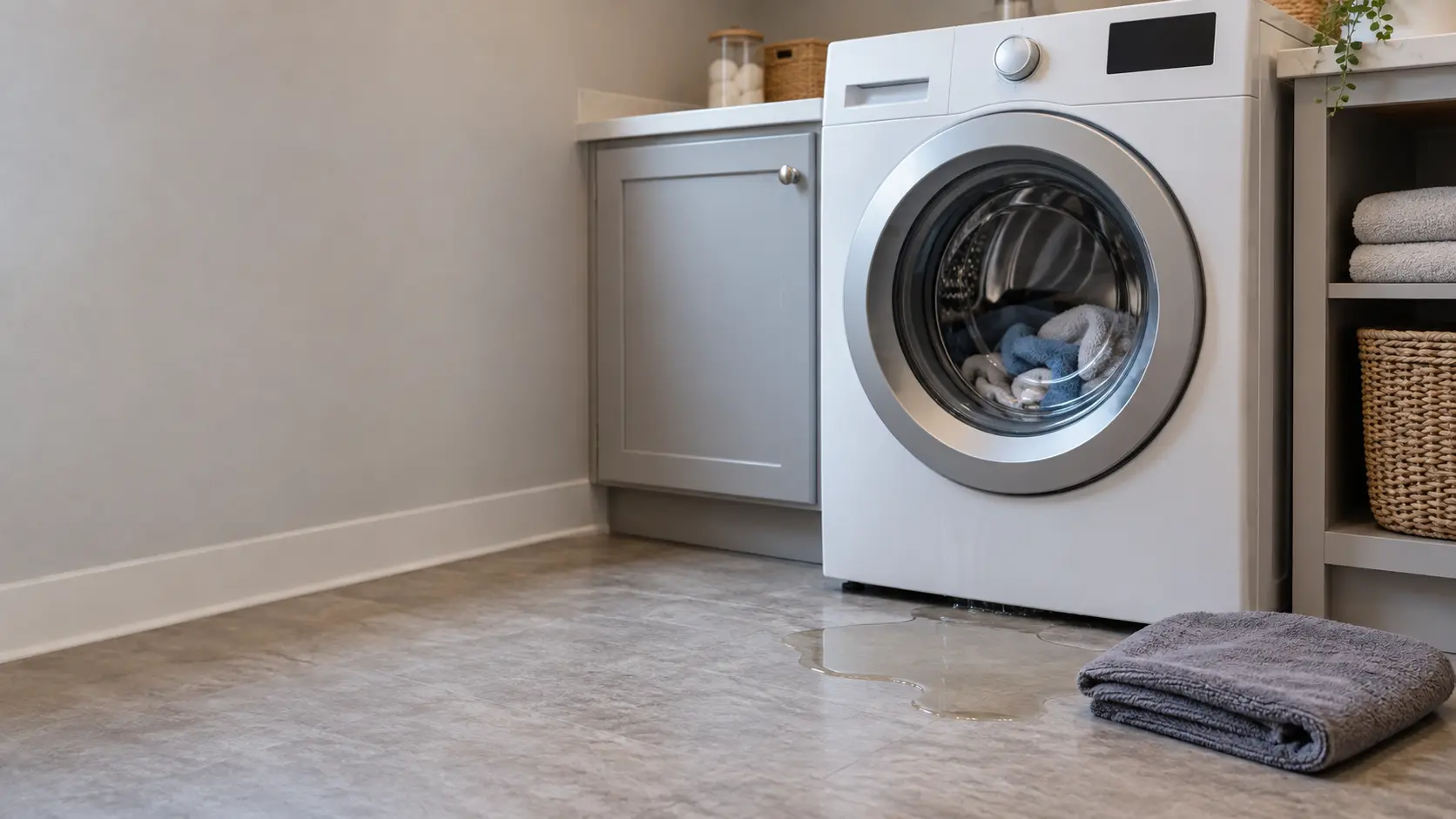
A washer meets the house at only a handful of points: two supply valves, a drain, an outlet and the floor under its feet. All of them are settled on delivery day, and any one set up wrong can make a sound machine seem broken for years, with a tub that siphons itself empty, a cabinet that walks across the room or a slow drip onto the ceiling below.
All 18 guides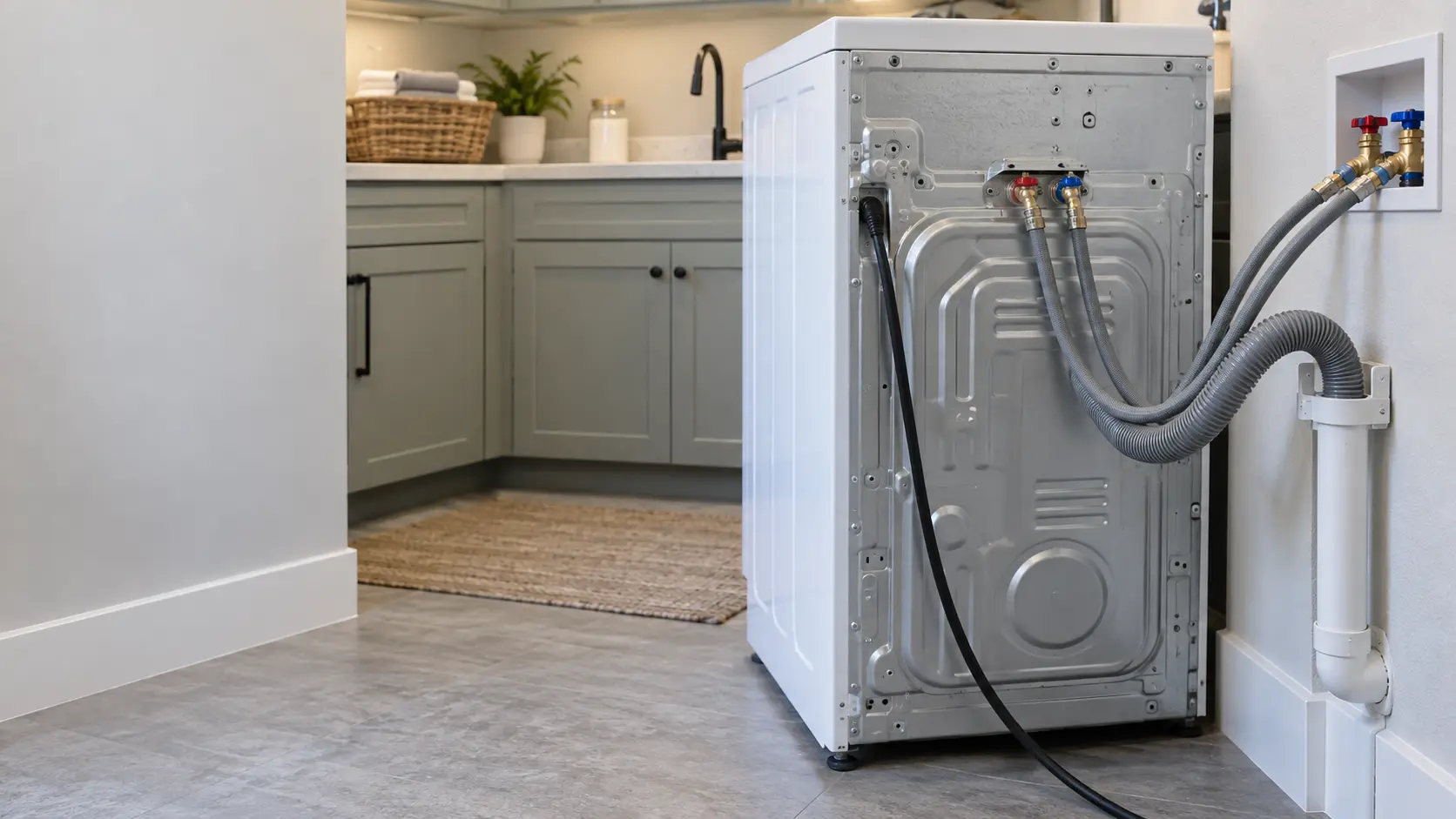
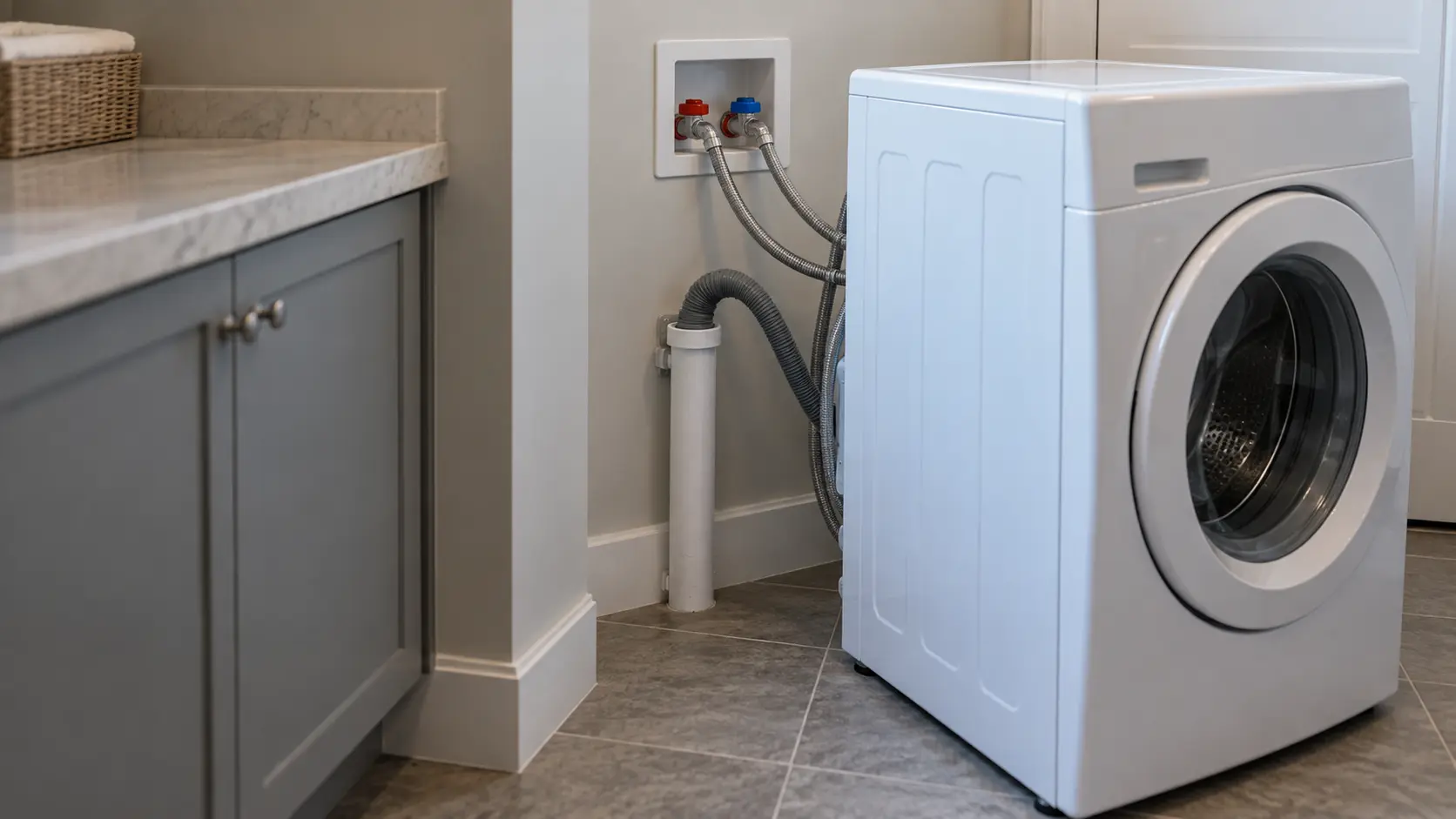
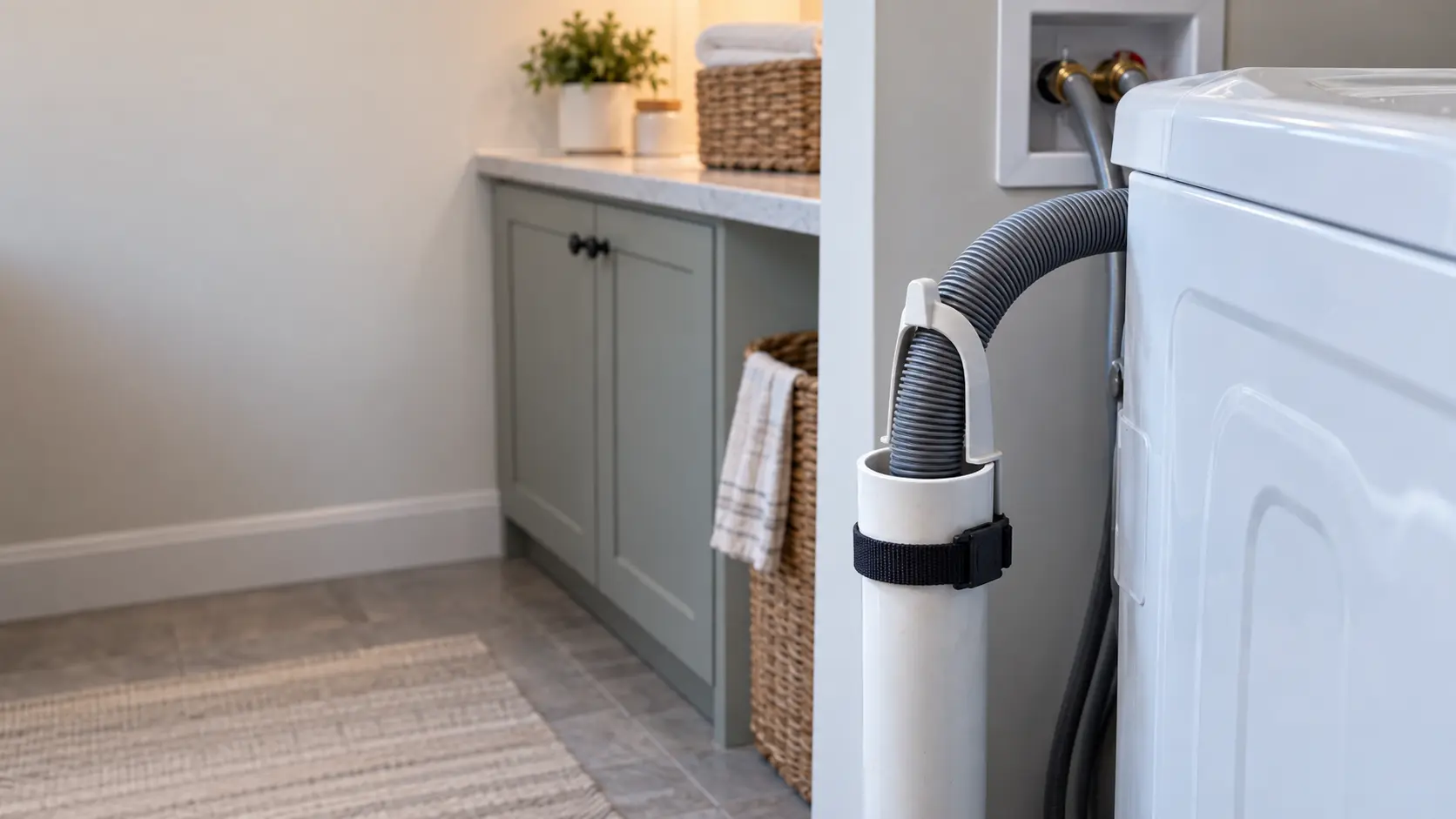
Washer Drain Standpipe and Hose: Height and Fit

How to Level a Washer So It Stays Put
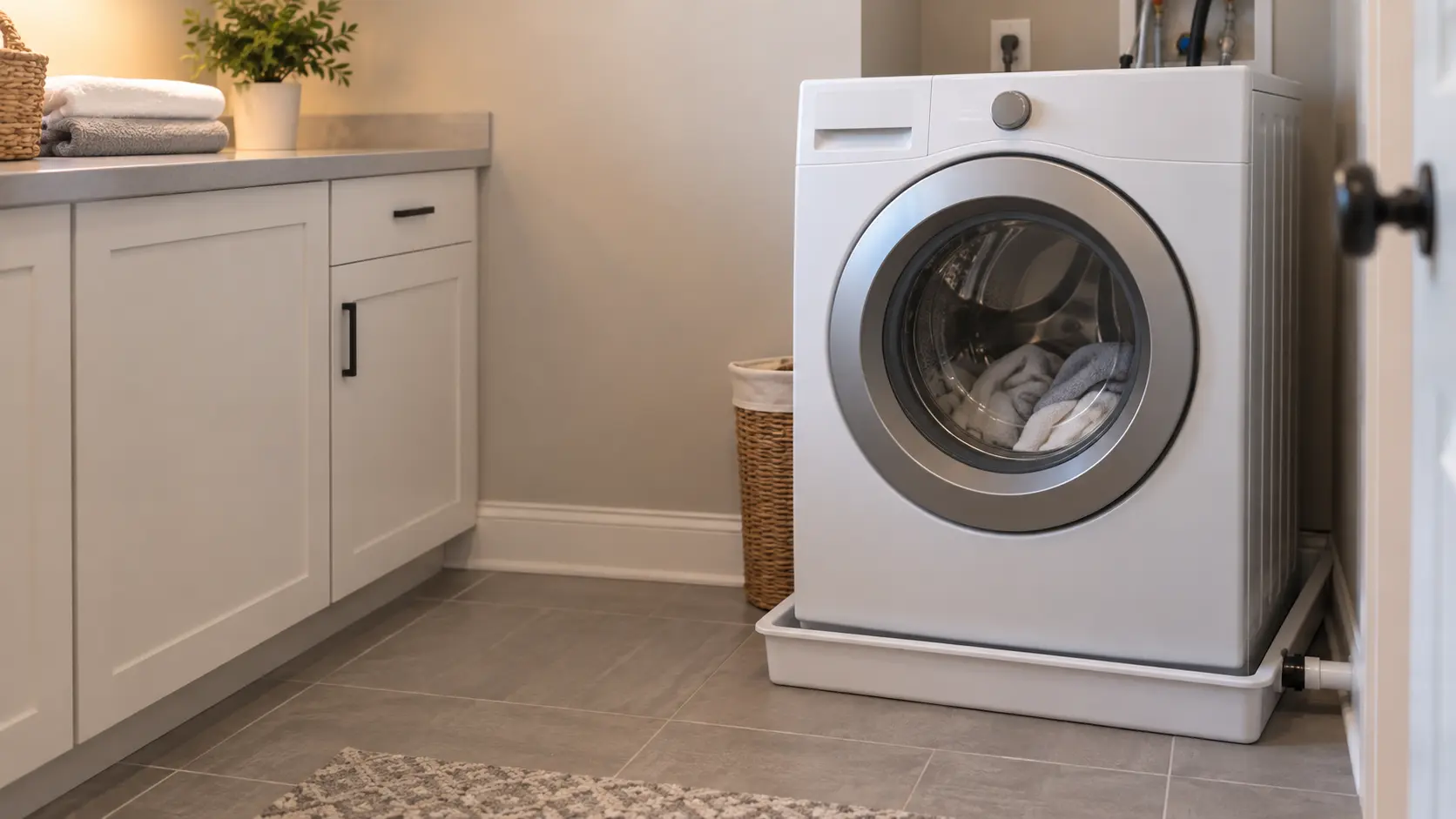
Washer Drain Pans and Upper-Floor Laundry Rooms
Setting it up to last.
The guides in this section set out the manufacturers' own installation numbers: how tall the standpipe should be and how loosely the drain hose hangs in it, how the feet are leveled and locked, and when a pan belongs under the machine. Where one maker's manual contradicts another's, the figures are printed next to each other, so you can hold them against the instructions for your own model.
Read them ahead of a delivery, after moving house, or when a washer that used to run quietly starts to shake, drain slowly or leave puddles. Every guide also names the point where an owner's check ends and a plumber, an electrician or a carpenter takes over.
Not sure where to start?The short answerWasher Drain Standpipe and Hose: Height and Fit
Washer drain standpipe height matters because a pipe that is too low lets the tub siphon out during the wash and one that is too high slows the pump.
The short answerHow to Level a Washer So It Stays Put
How to level a washer: unplug it, remove any shipping bolts, set a level on top side to side and front to back, turn the feet until all four carry weight and the cabinet will not rock corner to corner, then tighten the locknuts.
The short answerWasher Drain Pans and Upper-Floor Laundry Rooms
A washer drain pan is a shallow tray under the machine that catches slow leaks before they reach the floor below.
When reading
is not enough.
If the checks in these guides did not settle it, the visit picks up from there, stop by stop.
What repairs cost- 01Watch it run first
- 02You hear the cost first
- 03Parts on the van
- 04Fixed, then run
The problems
these answer.
Each has a page of its own, with the causes in the order worth checking.
All 17 problems



Questions about
installation and setup.
What should I check before a new washer is delivered?
Can I reuse the fill hoses from my old washer?
My new washer shakes badly on its first spin. What did the installers miss?
The other
sections.
Split by what you are trying to find out rather than by which part of the appliance it concerns.
All guides


Back to your everyday
Let’s get your washer working again.
Three short steps online, or one call. Tell us what you are seeing and pick a window that works.