
Start with what you own
Washer
types,
told apart.
Washers that look much the same can work very differently inside. A front-loader tumbles its load through a sealed door and relies on a rubber boot and a door lock, a top-loader moves clothes with an agitator or a low impeller, and a stacked or compact unit packs the same parts into less room. Knowing which one you own settles a good part of the question before anyone arrives.
Mon–Sat, 8am–8pm
- 4 types
- Serviced in place
- What each one costs
Book a visit
Three short steps, about a minute.
or call (844) 398-5711
Loading appointment form…
The appointment form couldn’t load. Please try again.
Four types,
each its own job.
Each one is built, reached and repaired differently. Open yours for what fails on it and what the work involves.
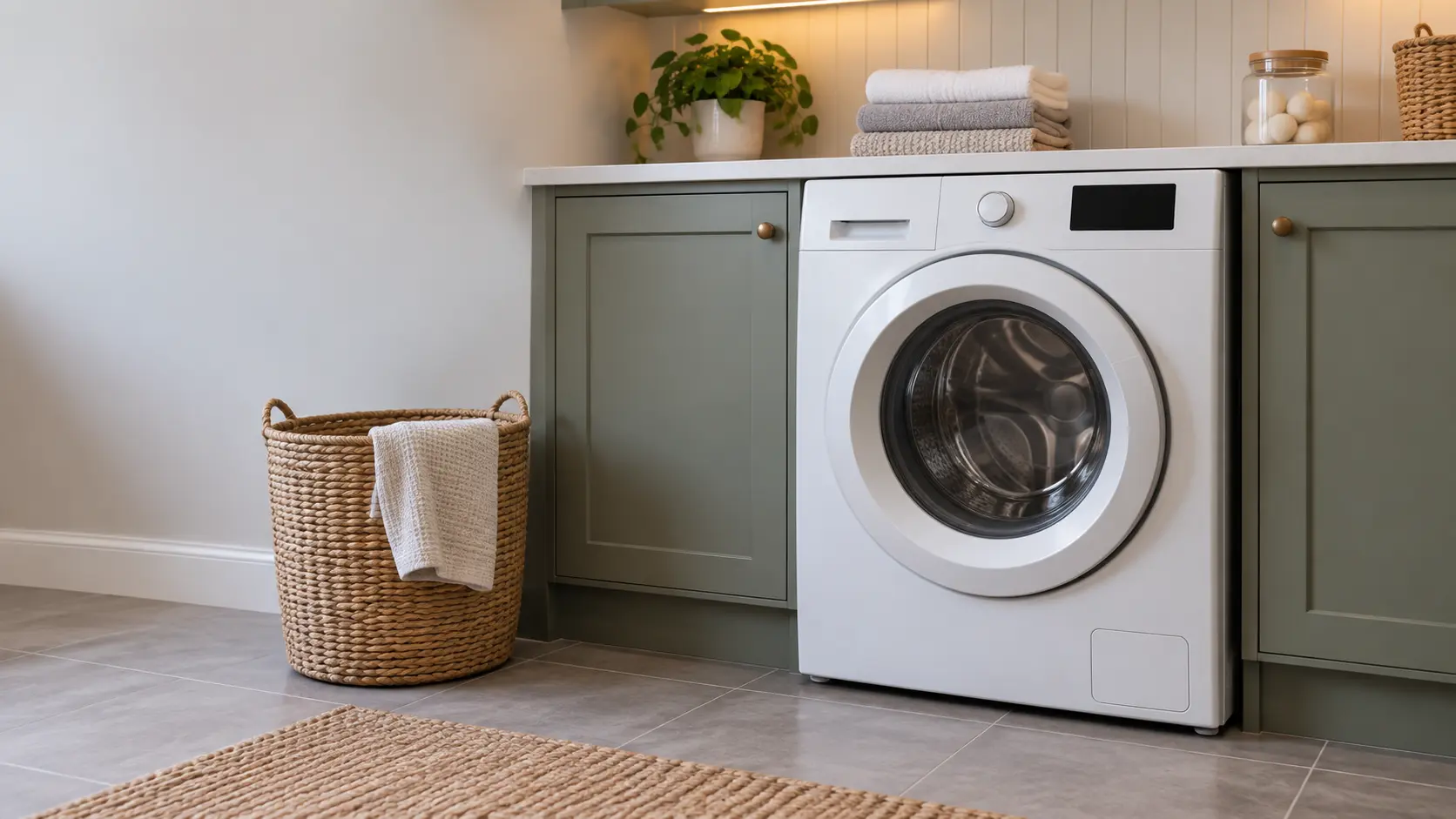
Front-load washer
A horizontal drum behind a sealed glass door, a rubber boot, a locking latch and a pump with a filter you can reach from the front.

Top-load washer
The upright washer with a lid on top, moving clothes either with a tall central agitator or with a low impeller plate in the bottom of the basket.
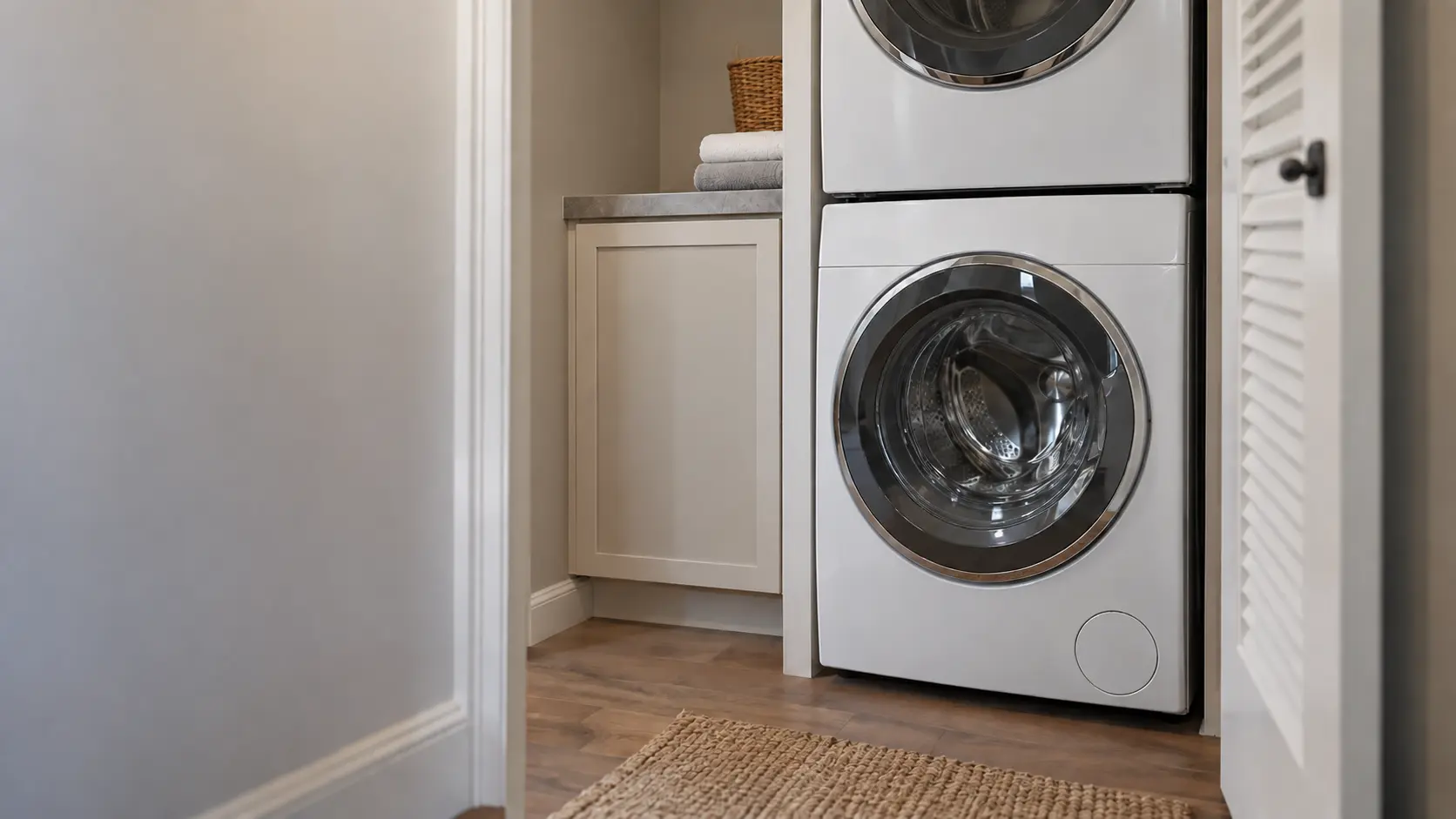
Stackable washer
The washer at the bottom of a stacked pair or a single-frame laundry center, repaired inside the closet or recess it was sized for.
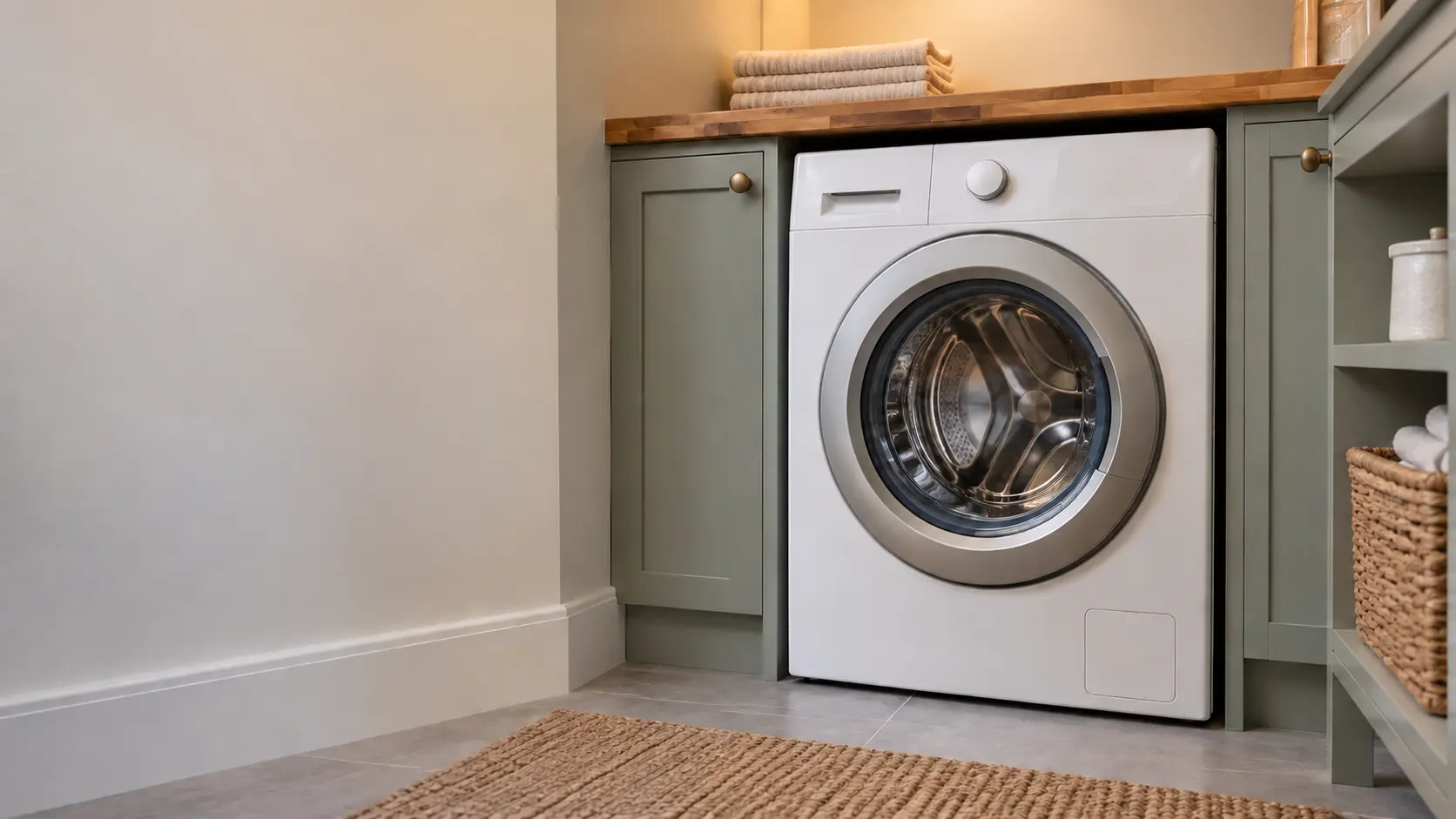
Compact washer
The 24-inch front-loaders and all-in-one washer-dryers found in apartments, condos and under counters, repaired on their washing side.
Not sure which you have?Start from what it is doing
If the washer in your laundry room does not obviously match one of these, work from the symptom instead. It reaches the same answer from the other end.
17 problemsIn order of costWhat to check first Go to the problemsWhich one
is yours?
One look at the washer usually settles it. The first sign of each type is on the right; its page has the rest, and what that type means for a repair.
Front-load or top-loadFront-loadFront-load washer
The door is a round window on the front, and you load clothes from the side rather than dropping them in from above.
Top-loadTop-load washer
Clothes go in from above through a hinged lid, and the basket stands upright inside the cabinet.
StackableStackable washer
A dryer sits directly on top of the washer, either bolted on with a kit or built into the same tall cabinet.
CompactCompact washer
The machine is about 24 inches wide, narrower than a standard washer by several inches.
What a repair
usually costs.
A practical yardstick: set the repair next to the price of a new washer that fits the same spot and hookups. A basic full-size top-loader is easy to replace, so a bearing job on a tired one rarely makes sense. A stacked pair sized to its closet, a compact under a counter or a premium front-loader is harder to match, and that keeps most repairs on them worth doing.
| Repair | Relative cost | Notes |
|---|---|---|
| Door boot, dispenser and odor cleanup | lowest | A torn seal or a mildewed fold is a small part and a short job, and it often ends a drip at the door as well. |
| Door lock, lid switch or striker | low | The most common reason a washer ignores the start button or quits before the spin, and a part the van usually carries. |
| Drain pump, filter or drain hose | low | Clearing the filter costs least; a new pump sits a step above it, and both end most standing-water calls. |
| Water inlet valve and fill hoses | low | No fill, a slow fill or one missing temperature. New hoses are sensibly fitted at the same visit if the old ones are aging. |
| Shocks, springs or suspension rods | low | Priced as a set, since the parts wear together, and checked alongside the feet and the level of the washer. |
| Drive belt, motor coupling or drive motor | moderate | A belt or a coupling is modest; a direct-drive motor or its motor control is what lifts this row to the middle of the scale. |
| Control board, water level or temperature sensor | moderate | The sensors and harness are tested first, because a split pressure hose or a loose plug can look exactly like a dead board. |
| Clutch, shift actuator or transmission | moderate to highest | A top-load repair. An actuator or clutch stays in the middle; a whole transmission or gearcase reaches toward the top. |
| Drum bearing and tub seal | highest | Long labor with the tub out of the cabinet, and on welded tubs the bearing comes only with a new outer tub. |

Questions about
the types.
How can I tell a front-loader from a top-loader with an impeller?
Why does the type change the repair so much?
Is a stacked washer harder to repair?
What should I say about the setup when I book?
Back to your everyday
Let’s get your washer working again.
Three short steps online, or one call. Tell us what you are seeing and pick a window that works.